Playing with Kindershreck – A Force For The Battle of Brody
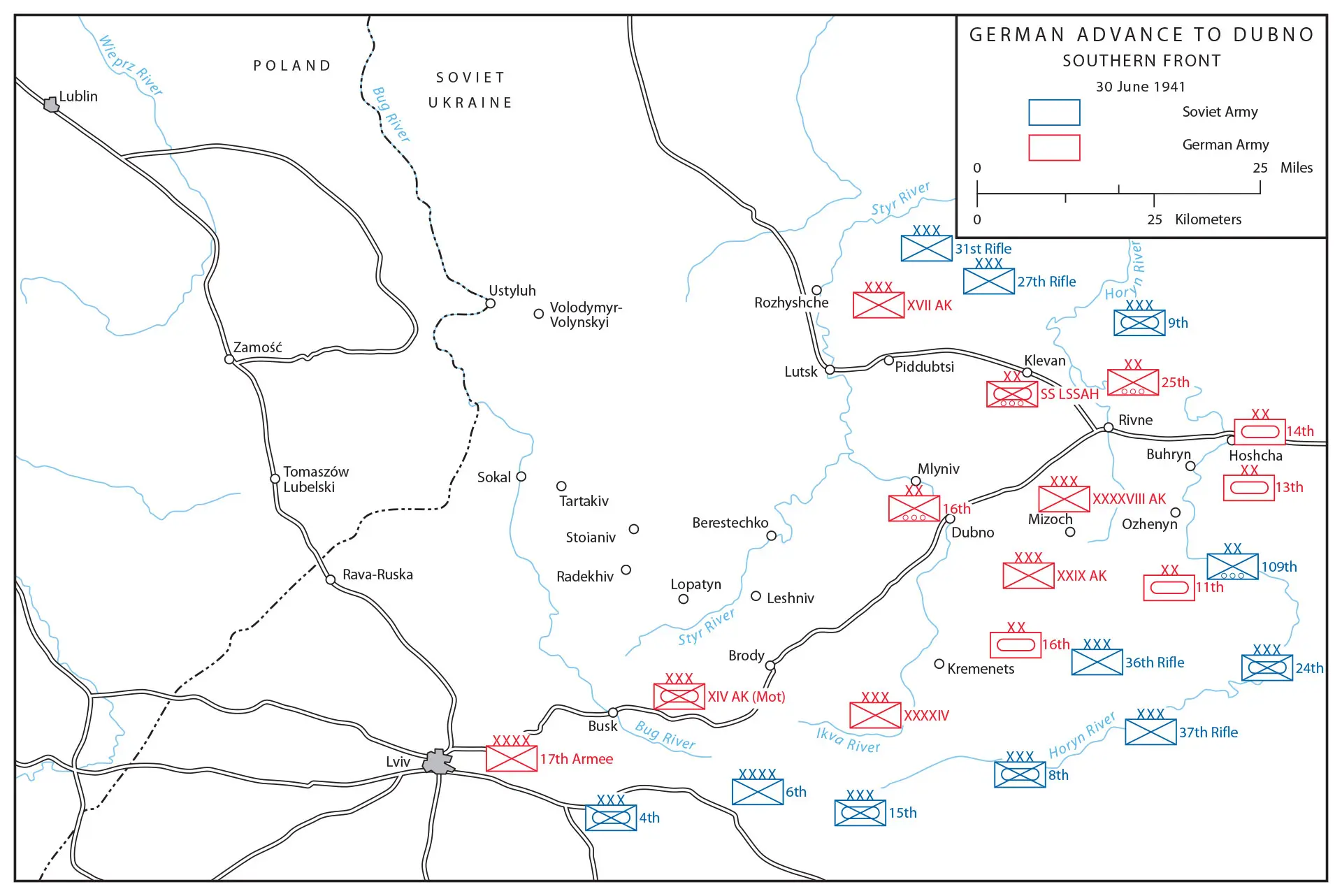
Until the Battle of Kursk the largest tank battle of WW2 was the little little know Battle of Brody which took place between the 23rd and 30th of June 1941 in the south west of the Soviet Union. German tanks and infantry of Panzer Gruppe 1 clashed with the tanks and infantry of the 5 mechanized corps making up the Red Army’s 5th and 6th Armies. Some historians even suggest that the total number of tanks involved which may have exceeded 3500 makes the battle possibly the biggest tank battle in history.
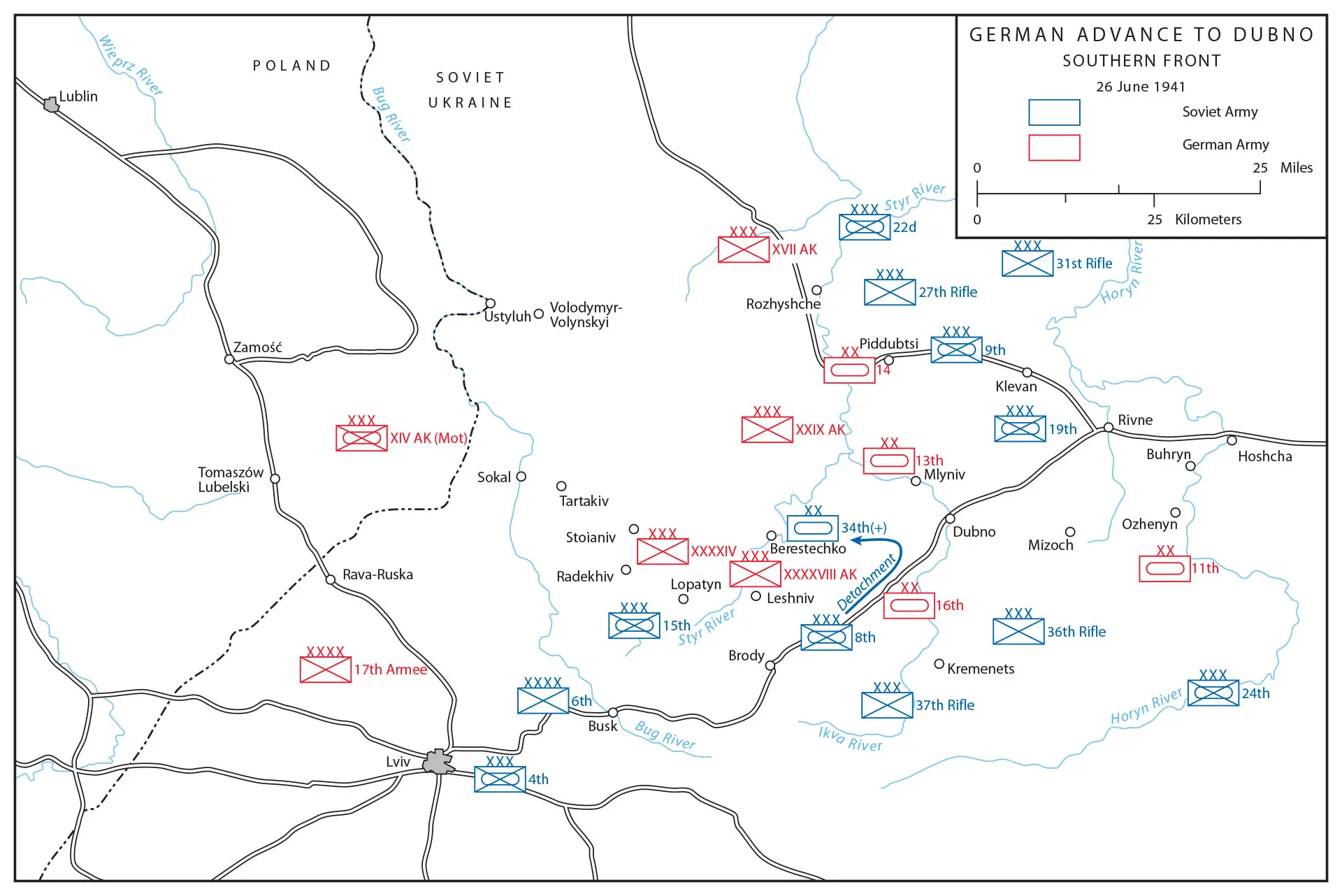
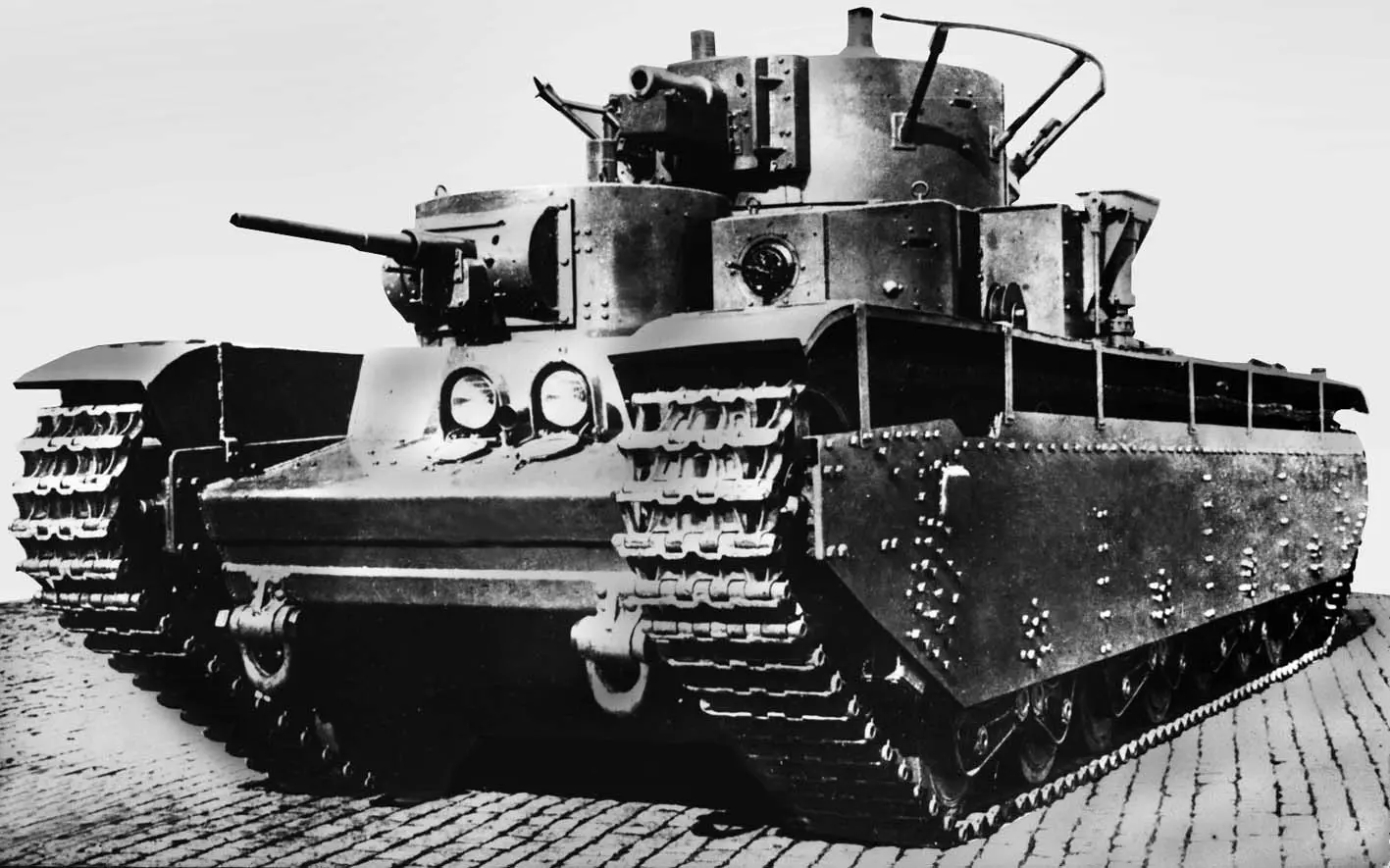
Forming part of the 34th Tank Division in the 8th Mechanized Corps of the Soviet 6th Army were the 67th and 68th Tank Regiments un these regiments were concentrated all the 48 combat ready T35s in the Soviet Army.
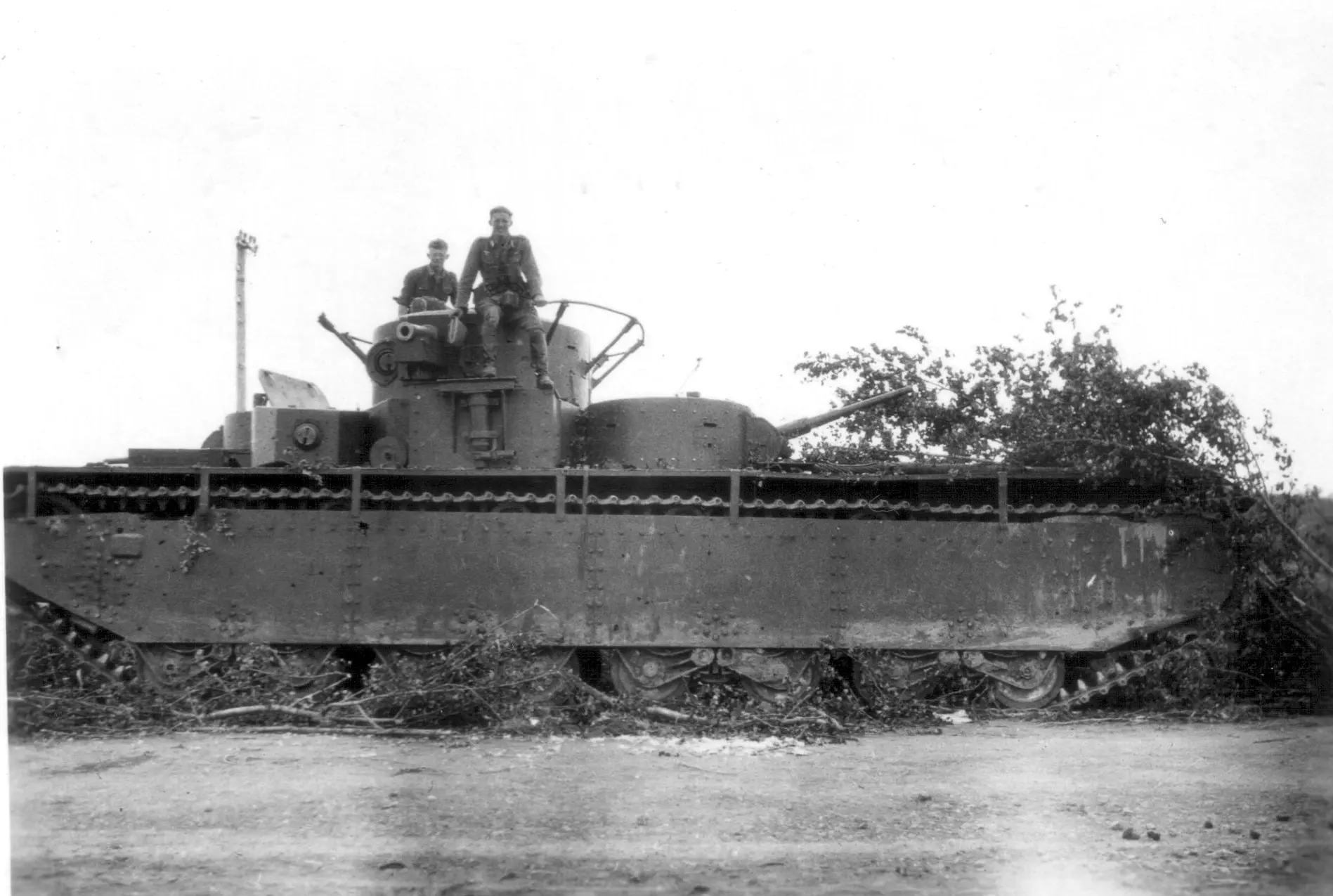
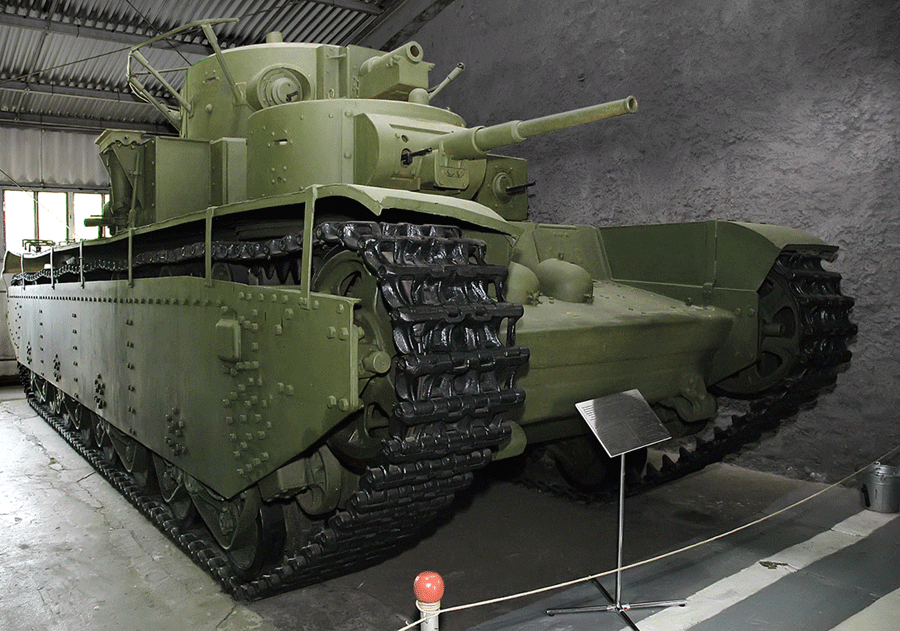
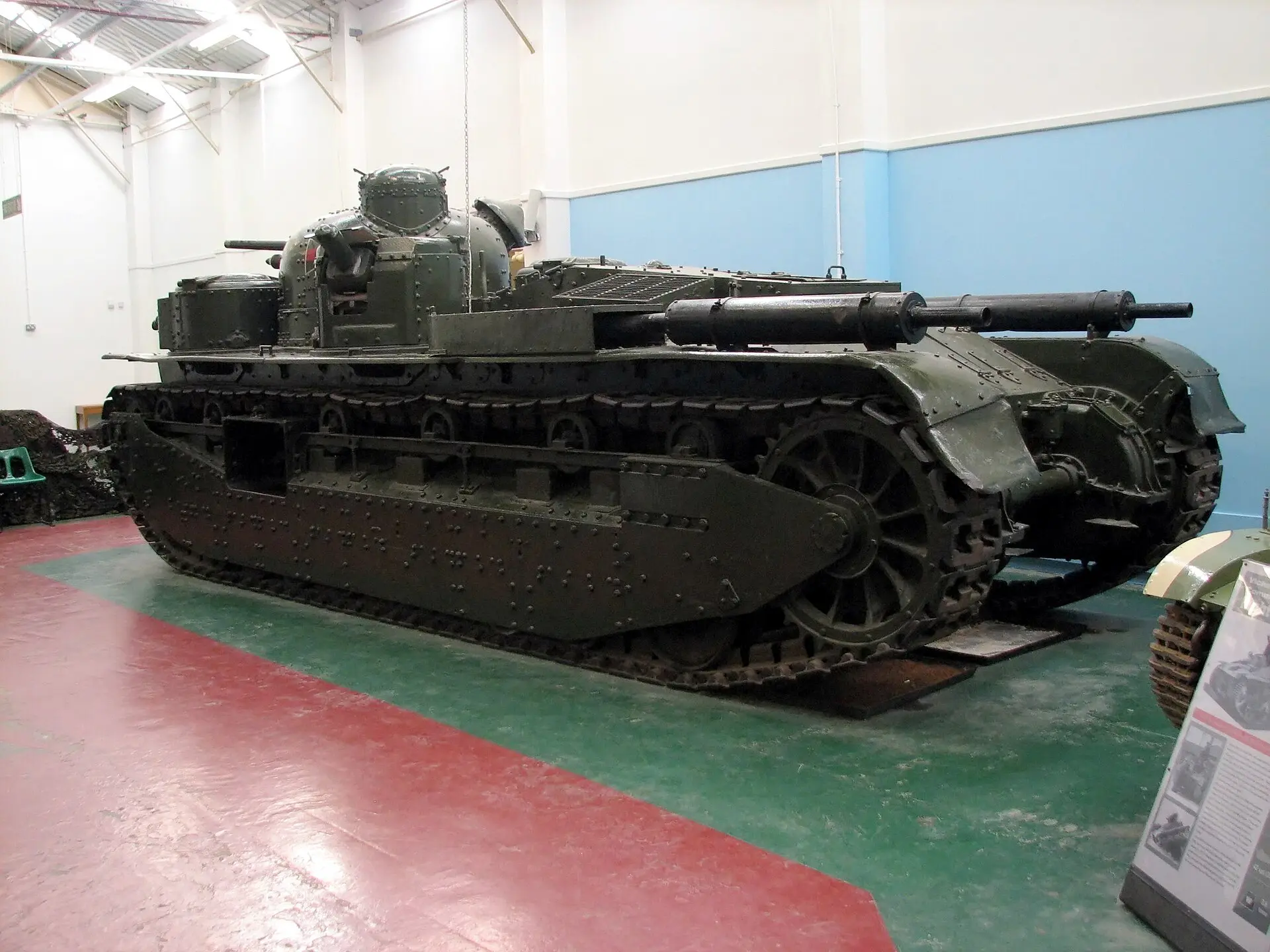
Largely obsolete by 1941 the T35 was the Soviet interpretation of the multi turreted tank which developed from the British Vickers AE1A Independent of 1926. Mounting a low velocity 76mm gun in a main turret alongside a coaxial machine gun, the T35 also mounted 2 45mm high velocity Anti Tank Guns with Coaxial machine guns in deck turrets (one at the front and one at the rear) and two additional deck turrets (one at the front and one at the rear) mounting machine guns only. An AA machine gun was added in the late 1930s and two of the production vehicles were given a rear facing machine gun in the main turret. Part of the design ethos was to overawe potential enemies with the size and firepower of the tank. They certainly looked impressive, but their size, alongside the ongoing struggle to rebuild and modernise Soviet industrial capacity meant they suffered with mechanical frailties throughout their careers.
The Germans nicknamed then “Kinderschreck” – “child scarers”.
The release of the Barbarossa book gave me the opportunity to brush the dust off my rather large (and mostly unused) v3 collection of Soviet vehicles, as many people know I like to build historic lists and then try, mostly fruitlessly, to make them work in the tournament scene where I mostly play, so the opportunity to build a Battle of Brody list based around the 67th Tank Regiment was to much to resist
The New Barbarossa book contains a T35 formation which has a nice balance of vehicles and so that’s where I started. The formation allows me to field 4 of my favourite WW2 vehicles, the T35, BT7, BT5 and the somewhat ridiculous T38 amphibious tank.
The Force
T35 Formation
HQ 1 x T35
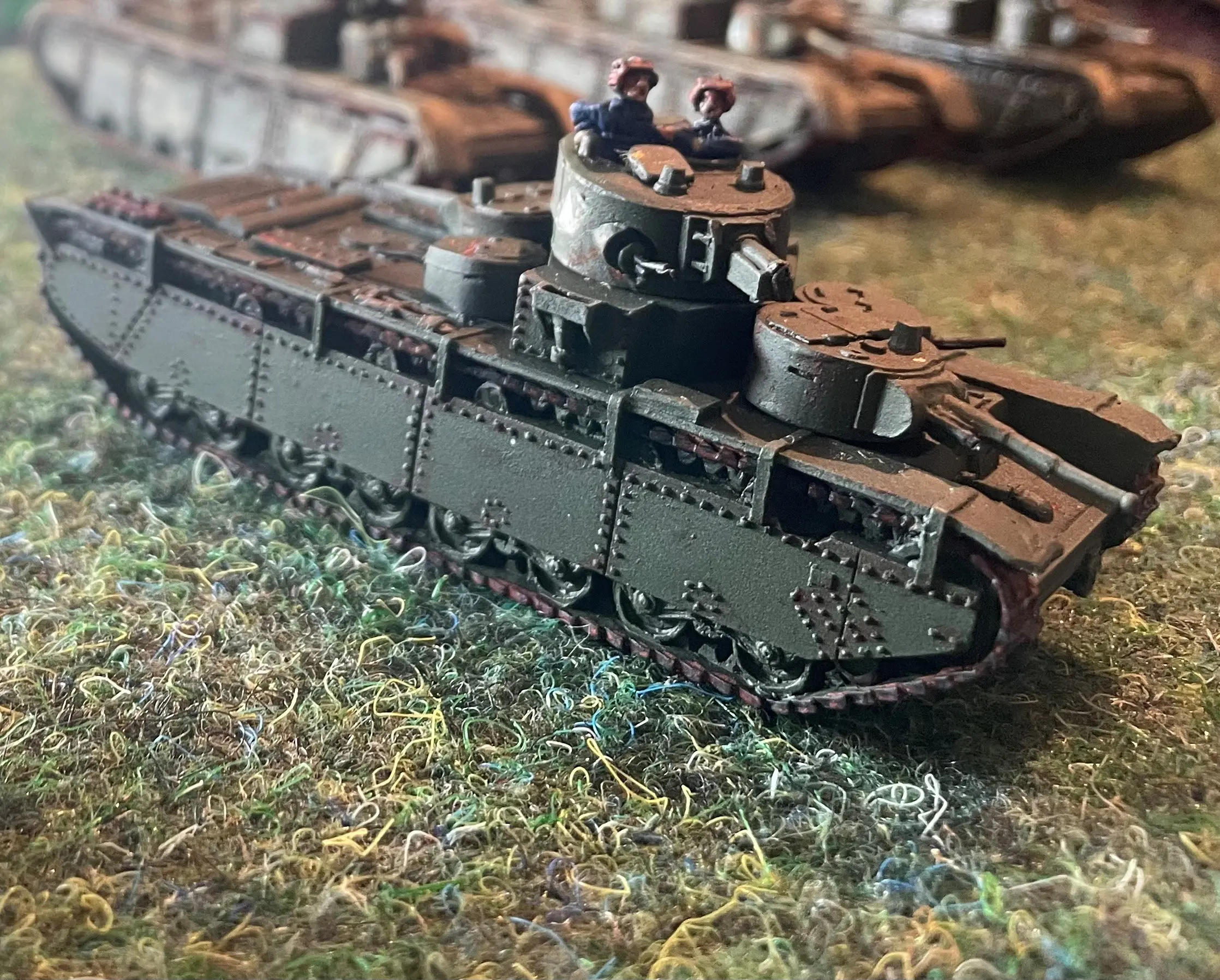
Tank Company 3 x 3 T35
Tank Company 3 x 3 T35
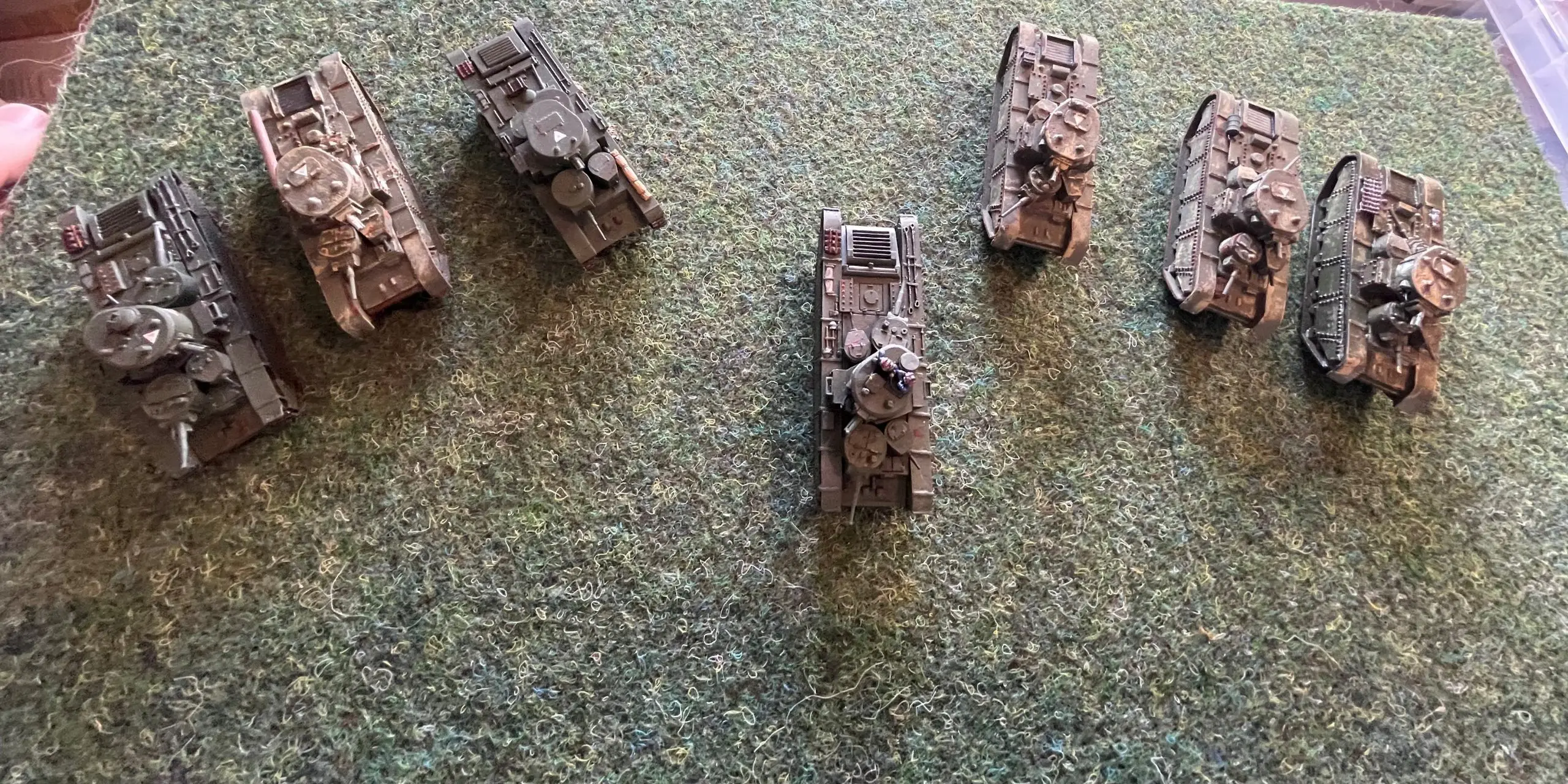
Tank Company 2 x BT7, 3 x BT5
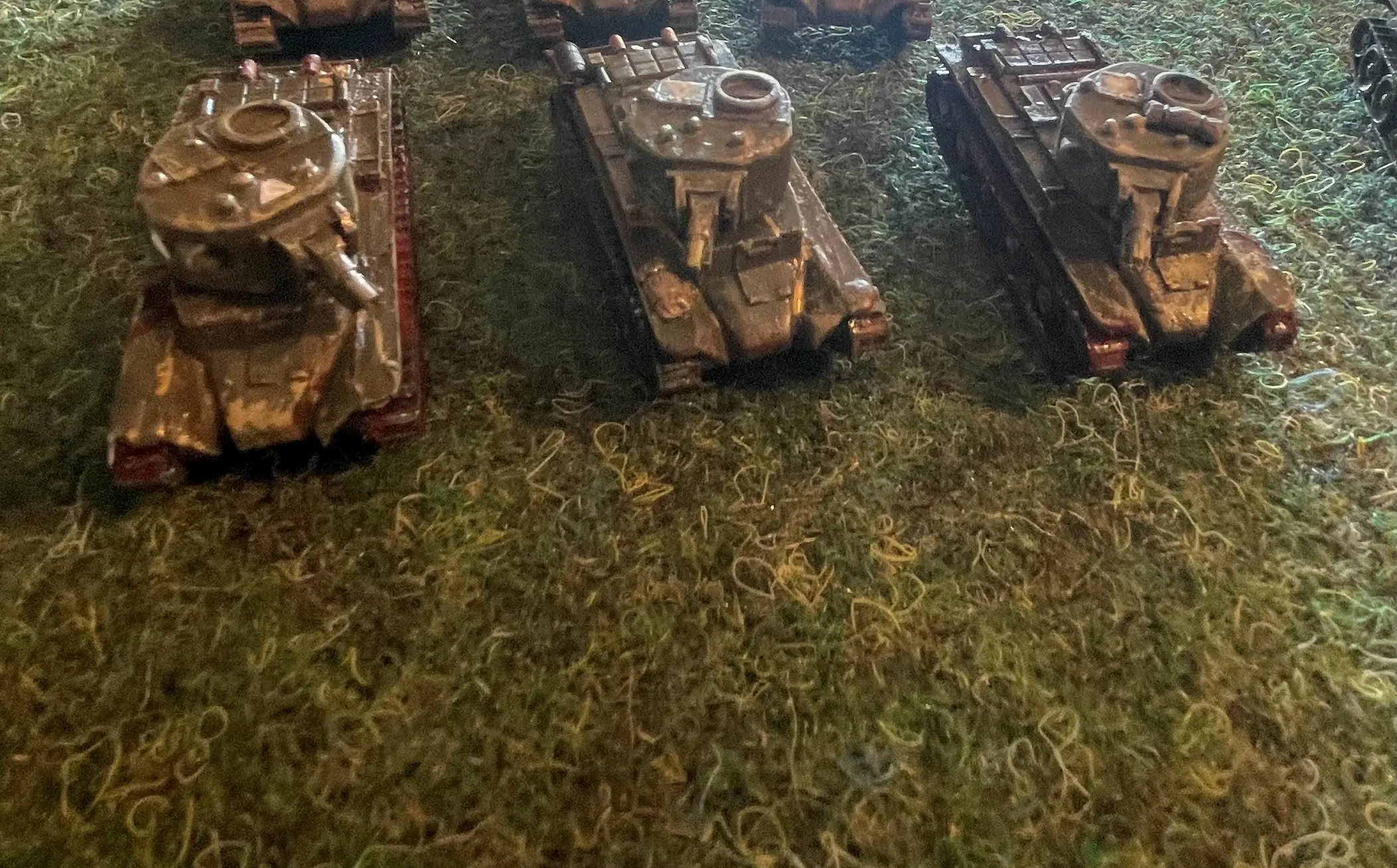
Artillery Company 6 x BT7a
Anti-Aircraft Company 3 x Trucks with Quad Maxims
Support
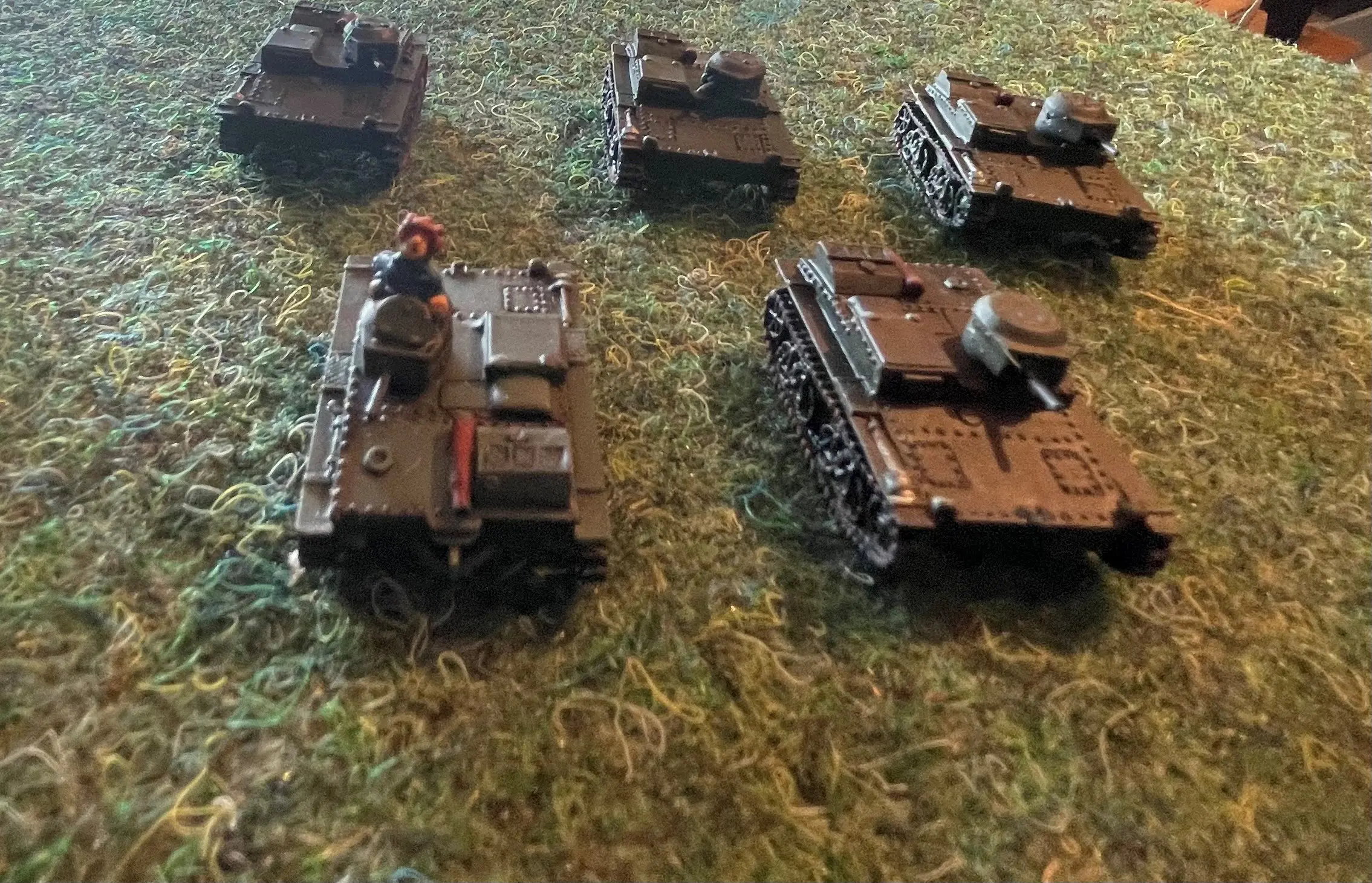
Amphibious Tank Platoon – 5 x T38
Command Card Recconaisance by Combat
The main design issue is whether to go with larger companies of T35s or to pay for the mixed BT tank company to add a bit of speed and extra bulk to the Formation, and I went with the speed and bulking option, The ability to put AT 7 shots into side armour will be crucial in Early War I think, plus I do really like the BT tank series and couldn’t find it in myself to leave them out. Artillery support is provided by the BT7a’s and given they are green the reconnaissance by combat card will be helpful in enabling them to deal with any nasty Anti Tank gun / Anti Aircraft gun batteries. The trucks are there to hide and provide further bulk to the formation.
The T38s provide spearhead, which as this hugely unsubtle force is almost always going to be attacking is always nice to have.
It’s going to be a tough ask to get it into assault range of an objective without smoke and will take careful handling. The T35s are reasonably robust, but being reckless the hits will very quickly mount up.
My vehicles were painted up many moons ago and largely bear the white triangle emblem of the 67th Tank Regiment, they are mix of manufacturers, including Battlefront, Zvezda and Gaming Models.
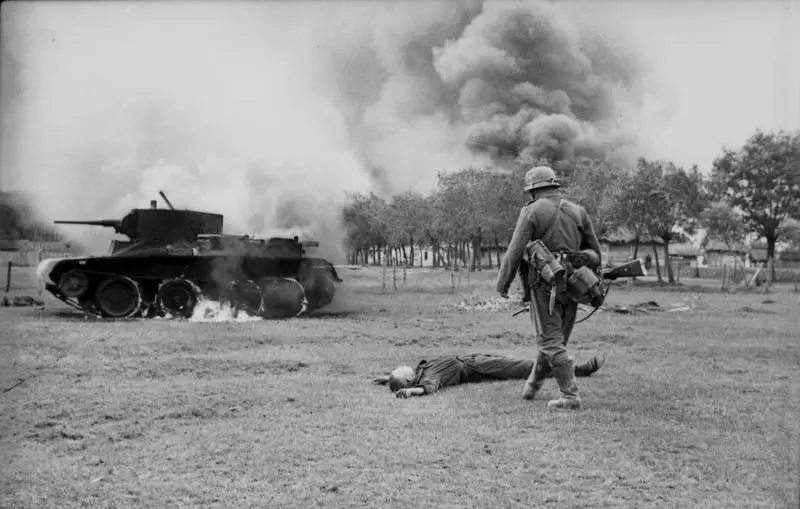
How did they fare in the real battle, well the Soviet counter attack did severely maul Panzer Gruppe 1 but Soviet losses were catastrophic. 8th Mechanized Corps’ attack toward Brody was initially succesful and cut off the 11th Panzer Division, however by 28th June the Corps which had been divided found itself under attack by the 16th Motorised Division, 75th Infantry Division and 16th Panzer Division, in addition, forces from two other German Infantry Divisions were engaged.
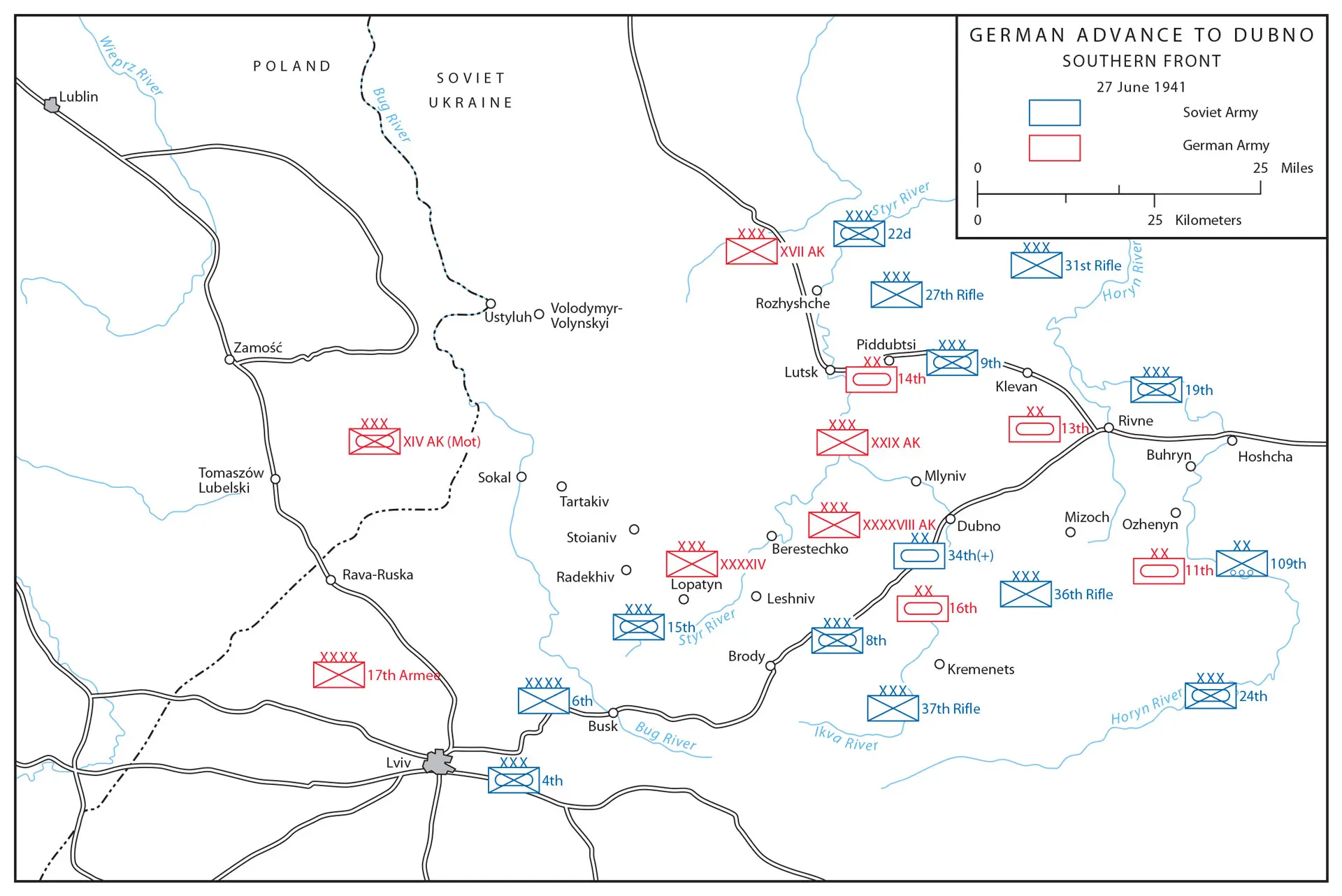
Soviet sources note the loss of 4 T35s on the 28th of June, and a German photograph taken after the battle shows 4 knocked out T35s, alongside several other Soviet tanks and three destroyed German vehicles near the town of Verba. By July 7th 8th Mechanized Corps reported it’s tank strength as 43, it had started the battle with a book strength of 899.
Whilst the German offensive was delayed for a short period of time, the week long counter attack effectively destroyed Soviet mechanized forces in the South West Front as their mechanized corps became combat ineffective due to the loses they sustained. The Soviets response to the German attack from then on would be largely defensive and would lead to catastrophic encirclement battles.
The Battle of Brody marks the only large scale combat use of the T35 in WW2, four vehicles undergoing repairs at their birthplace in the Kharkov Locomotive Factory were pressed into service during the First Battle of Kharkov in October 1941, four more were used for training near Moscow and it is reported that one vehicle may have participated in the winter fighting there in December 1941. A captured T35 was used by the Germans as a static position during the Battle for Zossen in 1945. 1945 also saw the last combat use of the BT7 when numbers of them formed part of the Soviet armoured forces which destroyed the Japanese army in Manchuria.
Its one of the training vehicles that survives at the Kubinka tank museum, now of course largely inaccessible due to Russia’s criminal war on Ukraine, it shares that Museum with the prototype 203mm self propelled gun variant based on the T35 chassis, the Su-14. In 2016 a fully functioning replica was constructed by a Russian mining engineering company, video of which can be seen on YouTube.
If you want to get sense of the size of the T35 then you can still visit the vehicle from which this whole family of multi turreted vehicles descended. The A1E1 Independent is on display at the Bovington Tank Museum, and I can say it’s impressively large for a pre war vehicle.


Post Comment